
Duck
In short, foods containing duck offer both a nourishing and a tasty alternative. Duck is regarded as a healthy option especially for pets with food allergies or sensitivities.
- 9 vitamins & minerals
- 7 references
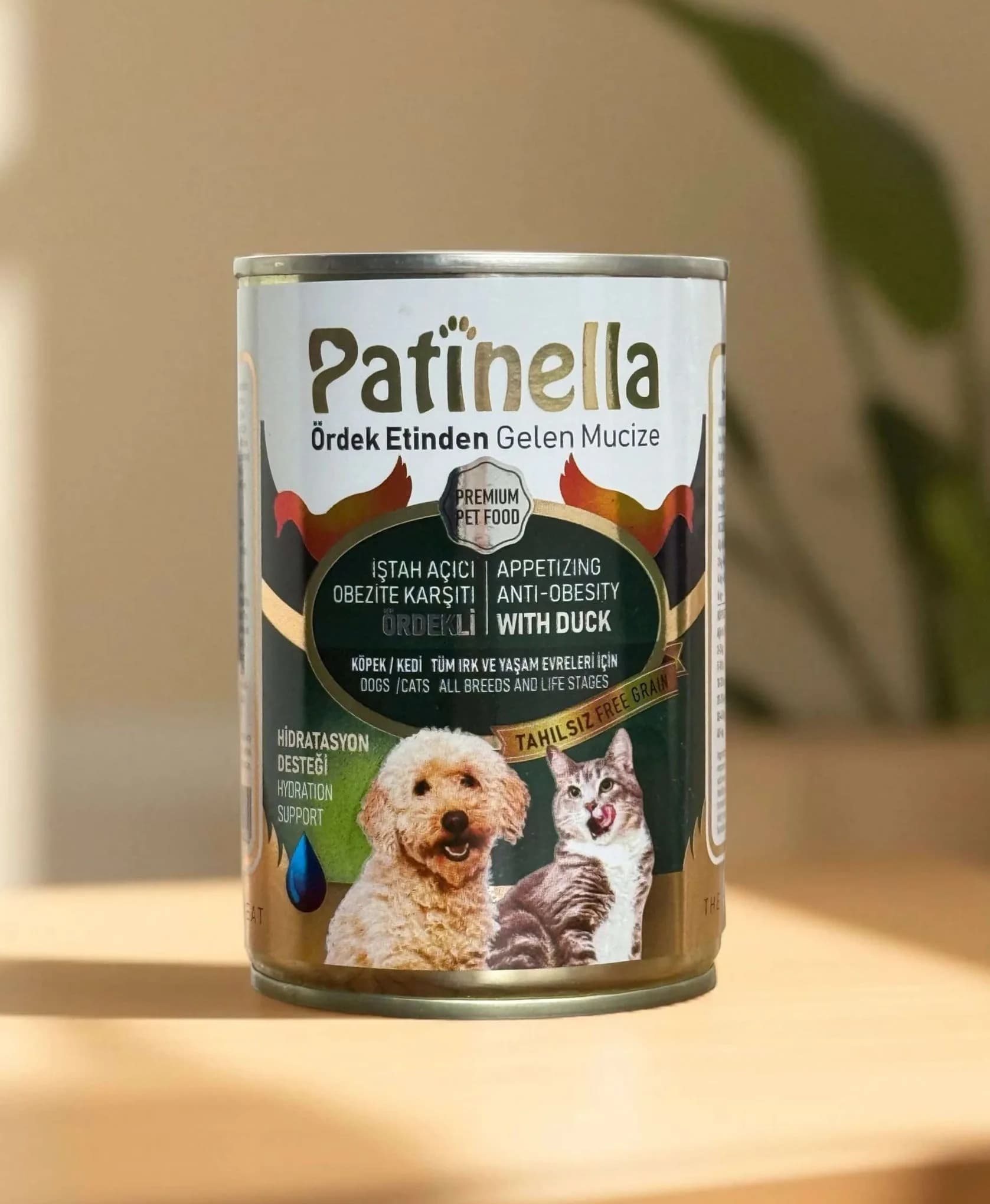
Why Duck?
- 1
Protein quality
A high-quality protein source that supports muscle development and general health. Protein is one of a pet's essential needs.
- 2
Taste
Duck is a flavourful food for pets. It makes meals more appetising and is a good option for fussy eaters or pets with a low appetite.
- 3
An alternative for allergies
Some pets develop allergies to common protein sources such as beef, lamb or fish. As a less commonly used protein, duck offers an alternative.
- 4
Omega-3 and omega-6 fatty acids
Contains healthy fatty acids that matter for skin health and coat shine — particularly valuable for pets with sensitive skin.
- 5
Natural vitamin and mineral content
Rich in iron, zinc, B vitamins and other important nutrients, which strengthens the immune system and supports overall health.
Academic notes
The themes that academic work on this raw material in pet nutrition has focused on.
Digestibility of protein sources
Some studies have examined the digestibility of different protein sources in cats and dogs. Less common proteins such as duck are among those evaluated.
Food allergies and diet management
There is research into using less common protein sources such as duck to manage food allergies in pets.
Antioxidant and fatty acid profile
Studies have looked at the effect of the omega-3 and omega-6 fatty acids it contains on cat and dog health.
Palatability and consumption preferences
Some studies have examined pets' sensitivities and preferences towards different types of protein, duck among them.
Nutrient bioavailability
Duck's mineral and vitamin content places it among the protein sources evaluated for bioavailability in cats and dogs.
Vitamins and minerals
Open any entry to read its detailed benefits.
A vitamin that plays an important role in cats and dogs. It is needed for many bodily functions to work properly, including energy production, nervous system health and skin health.
Energy metabolism: it plays an important role in the metabolic processes that convert carbohydrates, fats and proteins into energy.
Skin and coat health: niacin helps maintain skin health, elasticity and moisture balance.
Nervous system health: it supports the functioning of nerve cells and cognitive function.
Digestive health: it supports gastrointestinal function, which matters especially for pets with sensitive digestion.
Immune support: it strengthens the immune system and helps protect against infection.
Duck is known for its high iron content, which makes it a nourishing protein source. Iron plays a part in many vital functions.
The iron in duck is in a form the body absorbs more easily (heme iron), making it a good nutrient source for those with iron deficiency.
Duck contains many minerals necessary for the health of cats and dogs, and selenium is foremost among them. Selenium is valued for its antioxidant properties and its support of thyroid function and the immune system.
Duck stands out as a good protein source for cats and dogs and offers many benefits: the formation of body tissue, cells, enzymes and hormones all depend on protein.
The B1 (thiamine) and B2 (riboflavin) vitamins in duck play an important role in the healthy development and general bodily functions of cats and dogs.
Energy metabolism: thiamine converts carbohydrates into energy, which pets need for their daily activity.
Nervous system health: vitamin B1 acts directly on the nervous system and is needed for nerve conduction and healthy nerve cells.
Appetite and digestive health: thiamine contributes to digestive health and regulates appetite.
Antioxidant effect: vitamin B2 protects cells from the damage of free radicals.
Energy production: riboflavin helps convert carbohydrates, fats and proteins into energy and supports muscle health.
Skin and coat health: vitamin B2 is needed to maintain healthy skin and a shiny coat.
These vitamins in duck make important contributions to the general health of cats and dogs.
Energy production: vitamin B5 plays an important role in converting carbohydrates, fats and proteins into energy — especially for active pets.
Hormone and antibody production: pantothenic acid contributes to the production of hormones such as cortisol in the adrenal glands and supports antibody production.
Skin and coat health: vitamin B5 supports skin and coat health and helps maintain the skin's moisture balance.
Nervous system support: vitamin B12 is needed for the healthy functioning of the nervous system.
Blood cell production: vitamin B12 is required for the production of red blood cells.
Metabolism and energy: vitamin B6 plays a role in carbohydrate, protein and fat metabolism.
Immune system: vitamin B6 matters for the proper functioning of the immune system.
Muscle function: vitamin B6 is needed for muscles to work properly.
Bone and dental health: phosphorus works together with calcium to keep bones and teeth strong.
Energy metabolism: phosphorus is part of adenosine triphosphate (ATP), which produces energy in cells.
Muscle function: phosphorus is needed for muscle contraction and correct muscle function.
Cell repair and growth: as part of the structure of DNA and RNA, phosphorus supports cell repair and growth.
Kidney health: phosphorus helps the kidneys remove toxins from the body.
Muscle and nerve function: potassium supports proper muscle function and nerve conduction.
Fluid balance: potassium helps maintain the fluid balance in cells.
Heart health: potassium supports the function of the heart muscle.
Energy metabolism: potassium supports the enzymes involved in energy production.
Benefits of copper — red blood cell production: copper plays a role in producing red blood cells.
Nervous system health: copper is needed for nervous system function.
Immune system: copper is important for the immune system and protection against infection.
Connective tissue and bone health: copper keeps connective tissue healthy.
Benefits of zinc — skin and coat health: zinc supports skin health and the coat of cats and dogs.
Immune system: zinc plays an important role in strengthening the immune system.
Wound healing: zinc contributes to faster wound healing.
Reproductive health: zinc supports reproductive health.
References
Veterinary and animal science journals
General academic literature on the use of duck in pet nutrition.
Food science and nutrition journals
Publications on the composition and digestibility of animal protein sources.
Academic databases
PubMed, ScienceDirect and similar databases.
Case, L. P., Carey, D. P., Hirakawa, D. A., & Daristotle, L. — Canine and Feline Nutrition
Reference book on cat and dog nutrition.
Hand, M. S., Thatcher, C. D., Remillard, R. L., Roudebush, P. — Small Animal Clinical Nutrition
Reference book on clinical nutrition.
Freeman, L. M., et al. (2013)
Current knowledge about the risks and benefits of pet diets.
Raditic, D. M., Remillard, R. L., & Tater, K. C. (2011)
Evaluation of commercial diets used in elimination trials for food allergy.