
Chicken (Free Range)
Extra advantages of free-range products: raised without antibiotics or hormones, they carry a lower risk of chemical residues and provide more natural, safer ingredients, generally with a higher micronutrient density.
- 12 vitamins & minerals
- 6 references
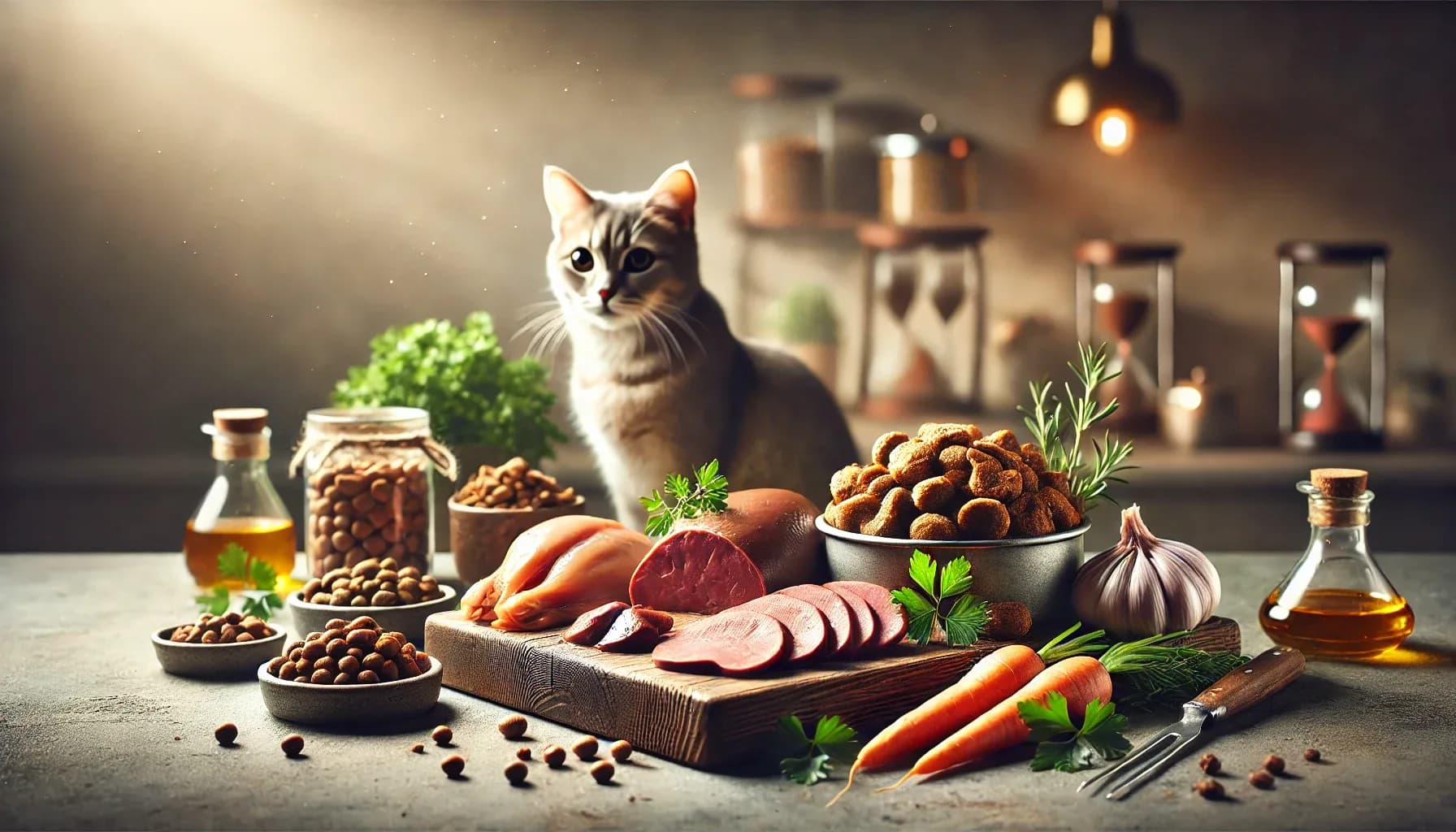
Why Chicken (Free Range)?
- 1
High nutritional value
Rich in vital micronutrients such as quality protein, taurine, B vitamins (especially B12, B6 and riboflavin), iron, zinc and phosphorus.
- 2
Natural and additive-free
Free-range chickens are fed natural feed without antibiotics or growth hormones, which lowers the risk of chemical residues.
- 3
Easy to digest and appetising
Naturally very palatable and easy to digest — particularly suitable for pets with a low appetite or a sensitive digestive system.
- 4
Healthy fat profile
Contains natural animal fats that provide energy and support skin and coat health.
- 5
Low allergenic potential
Because free-range chickens are raised with less stress and without antibiotics, their meat is considered safer in terms of allergenic effects.
- 6
A natural source of taurine
Taurine, which is critical for cats, occurs naturally in chicken heart. It supports heart health, eye function and the immune system.
- 7
Ethical and sustainable production
Production that respects animal welfare shows respect for the right to life of all animals, not only our pets.
Vitamins and minerals
Open any entry to read its detailed benefits.
Supports eye health, the immune system, and skin and coat health.
Supports heart health and plays a role in energy production.
Supports nervous system health and the production of red blood cells.
Takes part in protein metabolism and supports muscle function.
Involved in cellular energy production and antioxidant activity.
Supports cellular energy production and the digestive system.
Needed for cell renewal, DNA synthesis and blood formation.
Required for the production of haemoglobin, which carries oxygen.
Supports coat and skin health, immune function and wound healing.
Works with calcium in the development of bones and teeth.
Protects cells against oxidative stress and supports thyroid function.
Involved in iron metabolism, connective tissue production and nervous system health.
References
NRC (National Research Council), 2006 – Nutrient Requirements of Dogs and Cats
Defines all essential vitamin and mineral requirements for cats and dogs.
AAFCO (Association of American Feed Control Officials), 2023 Guidelines
Sets the minimum nutritional requirements for pet foods.
https://www.aafco.org](https://www.aafco.orgMerck Veterinary Manual
Reference source on veterinary medicine and animal nutrition.
FEDIAF (European Pet Food Industry Federation)
European nutritional guidelines for pet food.
https://www.fediaf.org](https://www.fediaf.orgUSDA FoodData Central
Nutrient composition data for foods.
Veterinary Clinics of North America – Small Animal Practice
Peer-reviewed clinical publications.